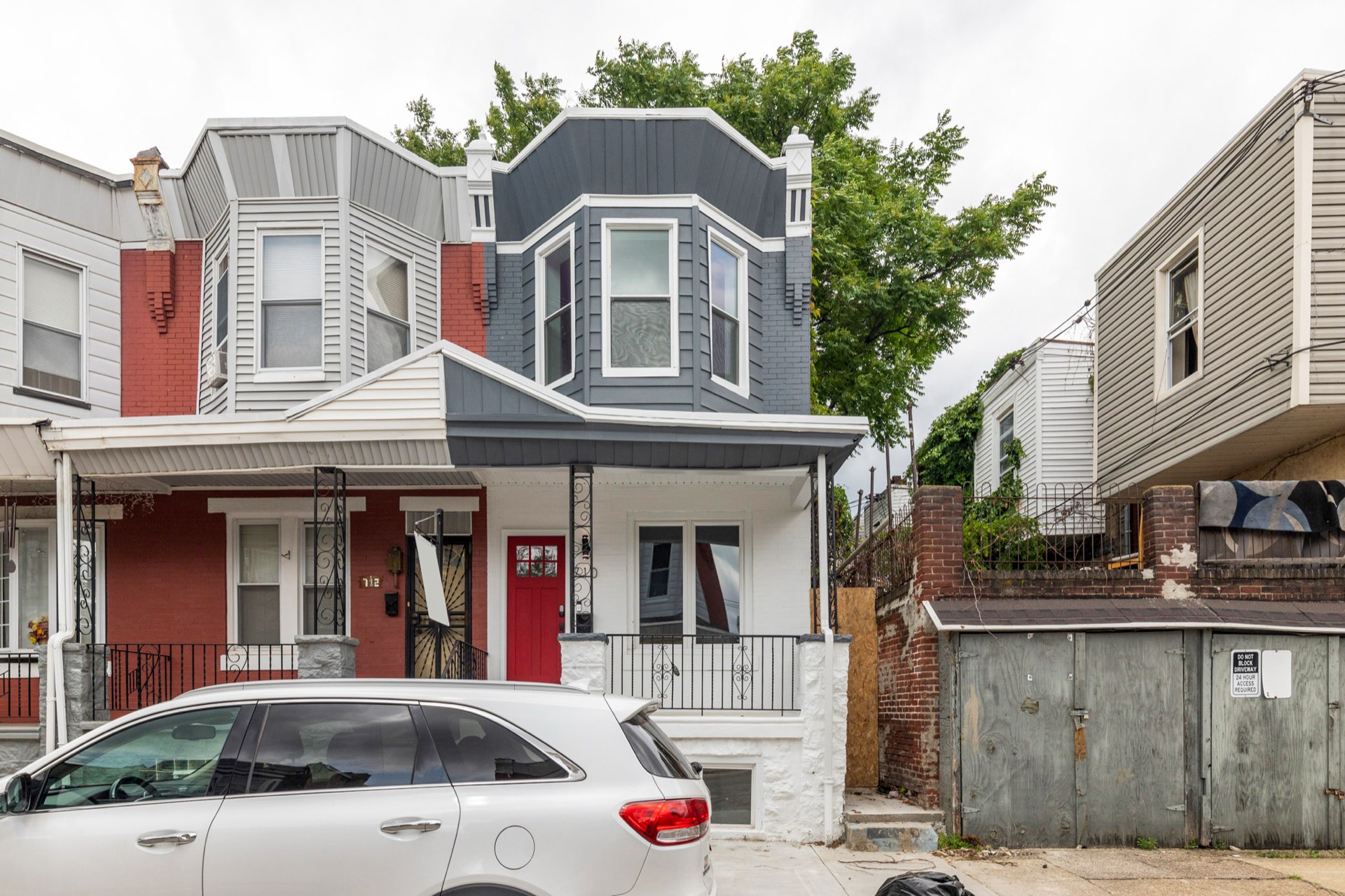
Most Philadelphia homeowners have heard of two ways to sell: take a cash offer or list with an agent. But there's a third option that sits between the two, and it's one that many sellers have never been presented. It's called a novation sale.
A novation works like this: instead of you making repairs and listing the house yourself, or selling it at a deep discount to a cash buyer who'll do the work, I step in and handle the renovation and listing process. You get a higher net than a cash offer without doing the work or spending the money on repairs.
How it works, step by step
First, I walk your property and estimate what it needs to sell at full retail value. Then I put together a novation agreement that spells out the renovation plan, the expected sale price range, and your guaranteed minimum net. I coordinate and fund the repairs, list the property on the MLS, and market it to retail buyers.
When the house sells, you receive your agreed-upon net from the sale proceeds at closing. The difference between the sale price and your net covers the renovation costs and my compensation. Everything is disclosed upfront in writing, and you see the final numbers at the closing table.
Who it's for
A novation fits sellers who are in a specific situation: your house needs work to sell at its full value, but you either can't afford the repairs, don't want to manage the renovation, or don't have the time to wait through a construction-then-listing timeline while handling it yourself.
Common scenarios: you inherited a house that's dated but structurally sound, you're a landlord with a vacant property that needs updating, your house has good bones but the kitchen and bathrooms are from the 1980s, or you're relocating and can't oversee a renovation from another city.
How it compares to cash and listing
Think of it on a spectrum. Cash is the fastest and lowest net: you sell in two to three weeks at a discounted price. A traditional listing is the slowest and highest net: you make repairs, list it, wait for a buyer, and go through the full closing process. A novation sits in the middle: you get a higher net than cash because the property sells at retail, but you don't do the work or fund the repairs yourself.
The trade-off is timeline and control. A novation takes longer than a cash sale because the renovations and listing process take time, typically two to four months total. And you're trusting someone else to handle the renovation, which means you need to work with someone you trust and who has actual renovation experience, not just a real estate license.
What to watch out for
Not every agent or investor offering novations has the construction background to execute them well. Ask about their renovation experience: have they actually managed construction projects, or are they subcontracting everything and hoping for the best? The difference shows up in cost overruns, timeline delays, and ultimately your net proceeds.
Also make sure the agreement clearly spells out your guaranteed minimum, what happens if the property doesn't sell within a certain timeframe, and what your options are if you change your mind. Any legitimate novation agreement will have these terms in writing.
Why I offer it
I started as a builder and investor before I became a licensed agent. I've done ground-up construction and gut renovations across Philadelphia. When I offer a novation, I'm not outsourcing the renovation to someone I've never worked with. I have the construction background to estimate costs accurately, manage the work efficiently, and deliver a finished product that sells.
But I don't push novations on every seller. Sometimes cash is the right answer. Sometimes a straightforward listing is. The point is to show you all three numbers honestly and let you pick the one that fits your situation. That's the whole approach.